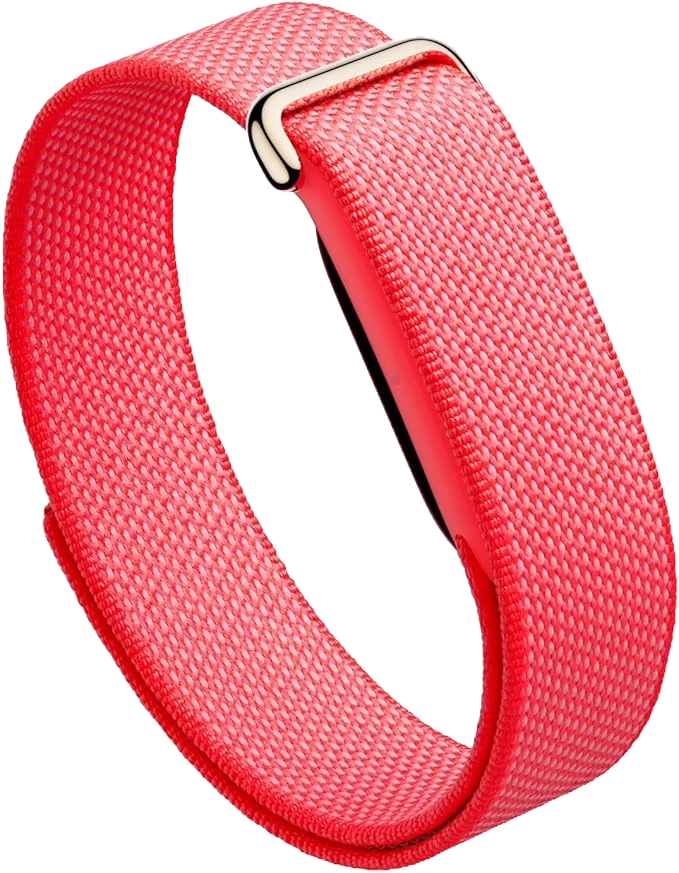
This is our Google Fitbit Air review, and it starts with a confession: the first time I saw it, I thought something was wrong with the box. No screen. Just a slim band with a single LED dot. Google shipped this on purpose. Every fitness tracker for the last decade has been in a race to add more glass, and the Fitbit Air is their answer in the opposite direction.
The Fitbit Air launched May 26. No screen. $99. And it might be the smartest fitness tracker they've ever made.
Google Fitbit Air Review: What You're Actually Getting
The Fitbit Air is a screenless health band that tracks your steps, heart rate, sleep, and more, then sends all of it to the Google Health app on your phone. You get a small LED indicator on the band itself for basic feedback, but that's it. No display to squint at. No notifications buzzing your wrist at 2am. Just data, quietly collected, reviewed when you actually want to review it.
It runs on AI-powered coaching through Google Health. That means instead of raw numbers, you get actual suggestions, "you slept 23% less this week, here's what might help." Useful stuff.

Battery lasts 7 days. Charges in about an hour. Works with both iOS and Android.
Who It's For
People who want the data without the distraction. If you've ever caught yourself checking your watch mid-conversation because a notification popped up, this fixes that. There's nothing to check.
It's also genuinely good for sleep tracking. No glowing screen on your wrist. No accidental taps waking the display at 3am. Just a band doing its job silently.

Runners who already carry their phone will like it too. All your stats live in the app anyway, the screen was just redundant.
Key Features
- 7-day battery — most screen-based trackers top out at 2-3 days; losing the display basically triples your charge cycles per month
- AI coaching via Google Health — gives you plain-English recommendations, not just raw numbers you have to interpret yourself
- Sleep tracking without the light pollution — no screen means no accidental glow; it just works quietly through the night
- Works with iOS and Android — unlike some competitors, Google didn't lock this to Android only
- $99 price point — the Fitbit Charge 6 costs $149; you're saving $50 and getting a longer battery
Is the Google Fitbit Air worth buying in 2026?
At $99 it's $50 less than the Fitbit Charge 6, ships with a 3-month Google Health Premium trial, and runs 7 days on a charge. The only real trade-off is no on-wrist display. If you regularly glance at your tracker mid-workout or need GPS, look elsewhere. If you want clean health data without screen distraction, it's a strong buy.

Check the current price on Amazon →
Honest Take
If you want to see your stats on your wrist, this is not your tracker. That's a real use case and this product deliberately ignores it. No maps mid-run, no quick heart rate glance, no checking the time. It's a data collector, full stop.
Also: Google Health Premium is what makes the AI coaching actually useful. After the free 3-month trial (included with the Fitbit Air launch), it's $10/month or $80/year. Factor that in if the coaching is a big part of why you're buying this.
Verdict
The Fitbit Air is a $99 bet that you don't need a screen on your wrist, you need better data when you're actually ready to look at it. For most people doing basic fitness and sleep tracking, that bet is correct.